Case study

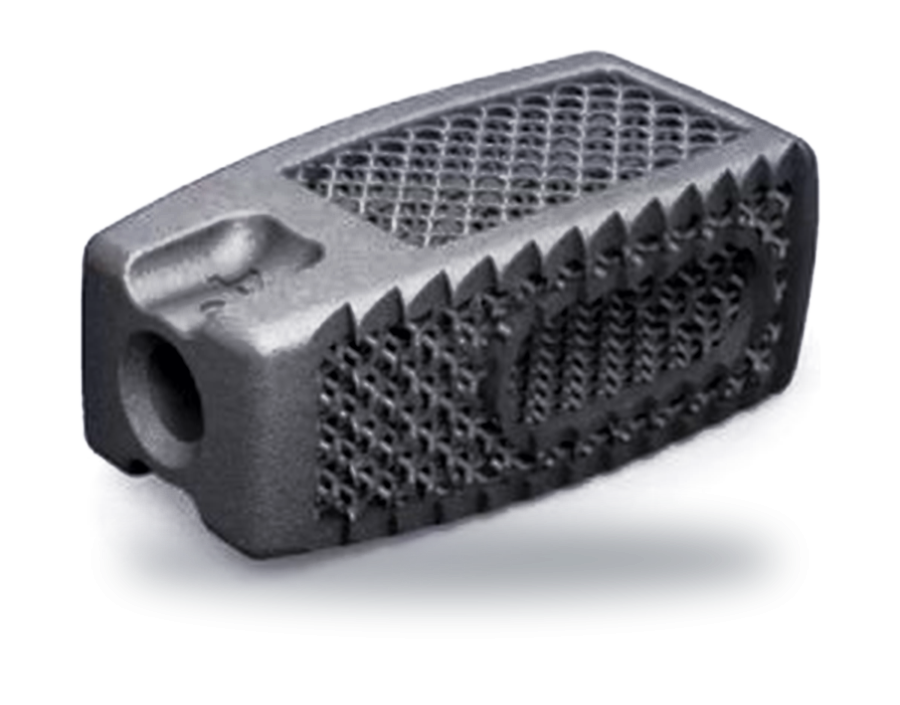
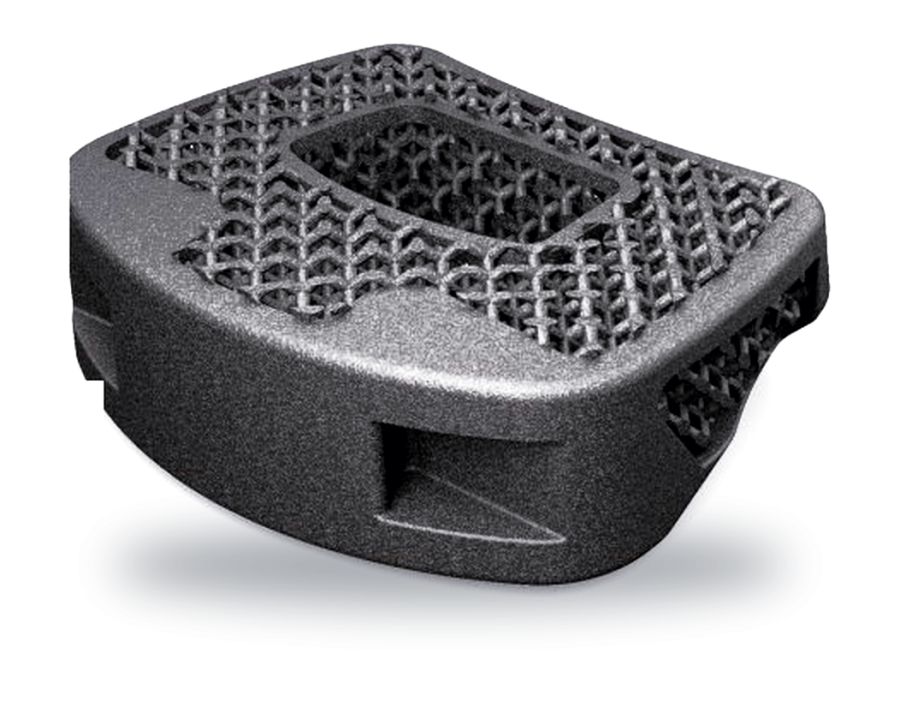
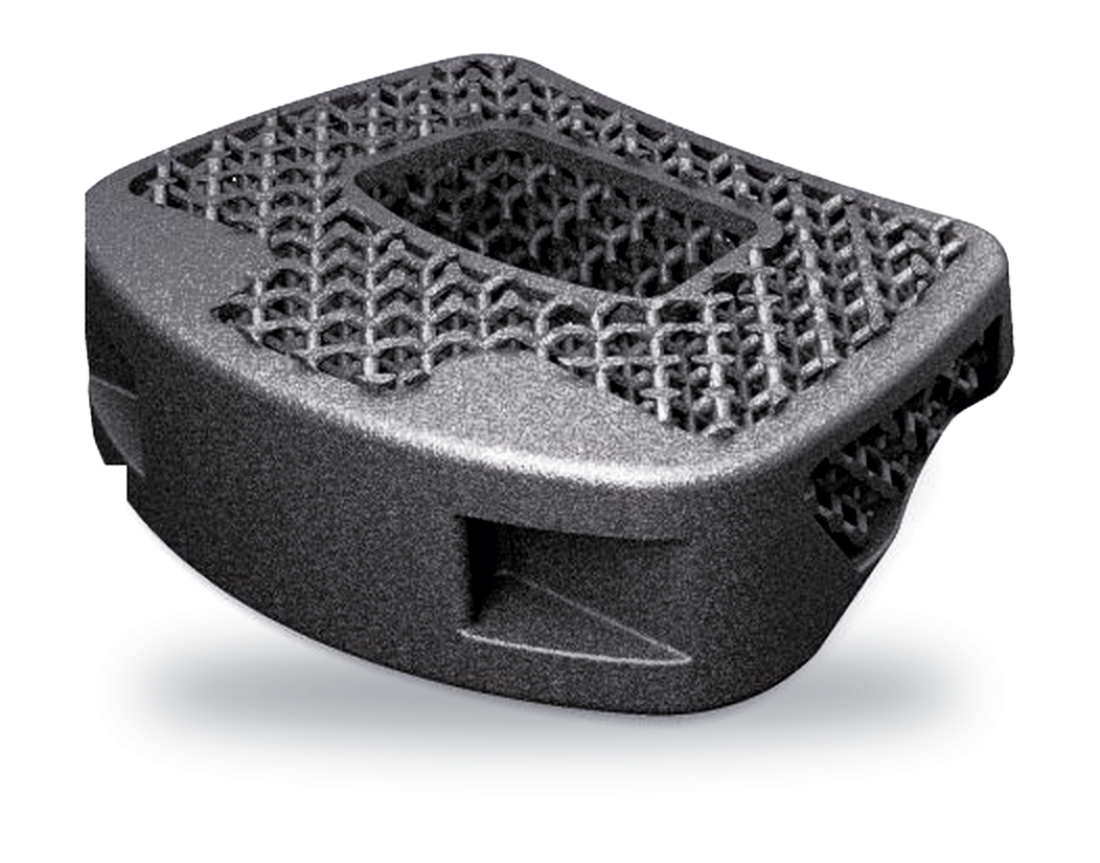
EIT 3D-printed cellular titanium interbody cage

Emerging Implant Technologies × OSP Advisors

Thinking Outside the Cage

How a German spine start-up went from its first U.S. case to a Johnson & Johnson acquisition in under a year — with OSP Advisors leading its U.S. commercialization.

View the PDF

The story at a glance

They Thought Outside the Cage — and Broke the Mold

Emerging Implant Technologies GmbH (EIT), manufacturer of trailblazing 3D-printed spinal implants, so succeeded in solving the intricate puzzle of meeting the needs of patients, physicians and hospitals that Johnson & Johnson (J&J) took notice. In September 2018, J&J formally acquired EIT.

12,000
cases performed in Europe before U.S. entry
510(k)
clearance for the full 3D-printed cage portfolio, July 2017
~75
U.S. devices implanted within six weeks of the first case
18 mo
OSP engagement guiding EIT’s U.S. strategy

EIT, based in Germany, did it in partnership with Arizona-based OSP Advisors (OSP), a turnkey executive leadership firm that bridges the gap between a product idea and commercialization. For 18 months, OSP worked with EIT to guide the company’s U.S. strategy and facilitate relationships with hospitals and surgeons, offering alignment between the clinical and economic buyers.

Josh Sandberg, president of OSP, explains, “In 2016 a mutual friend introduced me to Guntmar Eisen, an engineer who had been part of the Prodisc development team and was co-founder of Paradigm Spine. I had just formed our consulting group aimed at helping companies commercialize in the U.S. We all met while at NASS and learned about each other’s start-ups. When I explained the OSP model to Guntmar, he seemed intrigued. At our early stage, I knew it would take a visionary leader to commit to us.”

Timeline

  1. 2013Eisen sees selective laser melting prototypes at the Fraunhofer Institute
  2. 2016Sandberg and Eisen meet at NASS
  3. July 2017FDA 510(k) for EIT’s full 3D-printed cage portfolio
  4. Oct 18, 2017First U.S. case, Raleigh, North Carolina
  5. Nov 2017Roughly 75 devices implanted in the U.S.
  6. Sept 2018Johnson & Johnson acquires EIT
The founder

Change and Chances

Enter Eisen, a 25-year veteran of the spine industry who started out as an Aesculap product manager and then became managing director of Outside the United States (OUS) operations at Spine Solutions. After working on the Prodisc design team, Eisen co-founded Paradigm Spine with the Viscogliosi Brothers, where he ran all OUS operations, as well as research and development, and manufacturing.

Sandberg quickly determined that Eisen was interested in taking a calculated risk. “Guntmar has a unique way of thinking that distinguishes him and every product he works on. After Synthes acquired Spine Solutions, Guntmar played a leading role in the creation of Paradigm Spine and Coflex. When the company obtained a premarket approval (PMA), their focus shifted to U.S. commercialization. Guntmar wanted to continue to innovate, so he began searching for other viable technologies.”

Eisen states, “It was becoming increasingly difficult to launch a new product because all costs were going up — production, labor, regulations, testing requirements — but the market pricing of products had actually gone down. It was becoming clear that true success for any new product would have to carry an indisputable clinical and economic advantage, and not just a marketing differentiation. It would have to have the potential to create better results while offering the product at an existing — or even better — price structure.”

“In the summer of 2013 I was feeling the need to go in a new direction, and began looking at new technologies and manufacturing methods. When I was offered the chance to visit the Fraunhofer Institute for Laser Technology, a nonprofit entity that commercializes new technologies, the chief engineer showed me prototypes of their 3D printing via selective laser melting. I actually felt cold shivers run down my spine as I thought, ‘What can we do with this?!’”

“I actually felt cold shivers run down my spine as I thought, ‘What can we do with this?!’”
Guntmar Eisen, co-founder and managing director, EIT

The science begins

Changing the World

Then Eisen ran into an old friend in the Netherlands, Hans Eekhof, MBA, MBI, who would become a co-founder of EIT. Eekhof had been CEO of AcroMed, which was ultimately acquired by DePuy, while his wife, Nancy, had written her doctoral thesis on bony ingrowth.

“Since the late ’80s and early ’90s,” says Eekhof, “I always had this thought in the back of my head: ‘How do you maintain height during the bony ingrowth process?’ The basic concept of cage design began changing, and between 1997 and 2010 we started to see bony ingrowth. In 2012 I was present for a second revision of an acetabular infection, at which point I was extremely impressed by the amount of ingrowth in the acetabulum. I shared this with Nancy and she said, ‘If this 3D printing of titanium can be designed in the right way, then we will change the world.’”

Eisen says, “Nancy came up with the idea of using cellular titanium, and she and Hans started a project with an engineering firm that was developing a cellular cage. She analyzed all of the in vivo and in vitro data and then designed a non-lumen cervical cage. When I told them I wanted to pursue 3D printing, they laughed and said, ‘We already have a project underway.’ It turned out that the company they were working with wasn’t interested in taking the technology beyond the Dutch market — so they just gave it to us! I was still with Paradigm at the time, so my wife, Stephanie, took on the role of CEO and built our team. We gained momentum quickly, bringing on distributors from all over the globe and adding PLIF, TLIF and ALIF products.”

Nancy Lamerigts, M.D., Ph.D., says, “Prior to EIT I worked at InSpine, during which time I noticed that there was room for improvement in fusion — PEEK and bone are not a good marriage. I had also worked with Lima, who was using trabecular titanium in their large joints and getting excellent results. When I evaluated the literature on all existing porous titanium scaffolds and ways to speed bone ingrowth, I saw that we would need a certain pore size and porosity in order to achieve the best bone healing.”

The portfolio

One Cellular Titanium Platform, Cervical to Lumbar

From the original non-lumen cervical cage, EIT expanded into PLIF, TLIF and ALIF implants — all built on the same 3D-printed cellular titanium structure.

Design rationale

It’s All in the (Scientific) Details

700 µm
pore size
80%
porosity — the core of every EIT implant
Smooth, anatomical edges
no hard point loading on the bone

Dr. Lamerigts: “Our initial product has a pore size of 700 micrometers and a porosity of 80% — that is now the core of all our implants. We wanted an implant that was as anatomical as possible, so we looked at anatomical studies on sizing and found that a certain width-to-depth ratio was particularly helpful. If you are machining materials, you always end up with sharp edges because of the production methods. With 3D printing you can crop the edges to smooth them out, and then you don’t have a hard point loading on the bone — and we’re talking about a strategic location where the implant attaches to the connective tissue.”

“From a biological perspective, trabecular metal is nice, but the production methods prevent you from achieving anatomically shaped implants. There is also the problem of sharp edges, especially with PLIF and TLIF, where they run along the nerve roots. If you image trabecular metal you can’t even evaluate the bony fusion because of all the scatter. Surgeons are thrilled with the smooth edges of our designs; they are cognizant of the fact that we have thought things out from a biological perspective and a surgical and technical perspective.”

Early adoption

The Snowball Effect

“They want partners to bring in proven technology at a fair price, validate the clinical and economic model, and increase physician awareness and adoption.”
Chris J. Stewart, OSP Advisors

Dr. Lamerigts, who became V.P. of Marketing and Research at EIT, says, “Patients come first, and the primary goal is to improve outcomes, either by increasing the speed of recovery or by avoiding complications. When the first surgeons began using our implants, they noticed the intraoperative ease of use and the rapid patient improvement — then it was a snowball effect, with them telling colleagues, other hospitals and so on.”

Sandberg notes, “In 2015, EIT already had OUS sales with numerous early-adopting surgeons. Prior to approaching the U.S. market, their product had been used in 12,000 cases, giving them sufficient data to demonstrate the viability of their technology in the U.S.”

Chris J. Stewart, OSP’s chief operating officer and general manager of Hospital & ASC Strategy, says, “I was still working at a large group purchasing organization (GPO) when the relationship between OSP and EIT got underway. After I joined OSP, it became evident that Josh and Guntmar were paving the way for a new approach to product commercialization. EIT had a vast amount of data, and the physicians they were approaching could see that the product was not only science-driven but was already proven to be clinically effective and economically advantageous to the healthcare facilities.”

“Something that intrigued me was that Josh was adamant that an EIT/OSP collaboration would result in adding value to all of the stakeholders, especially the patient. Josh knew that hospitals are interested in partnerships — not just a company that says, ‘We have the latest and greatest.’ They want partners to bring in proven technology at a fair price, validate the clinical and economic model, and increase physician awareness and adoption. It tells a compelling story, and it was an easier way to show hospital supply chain leaders and operators that it’s not just another product. Big healthcare systems are looking to reduce the number of suppliers because they are viewed as having clinically equivalent products. Josh and EIT found an attractive value proposition and messaged it well.”

U.S. market entry

The U.S. Journey

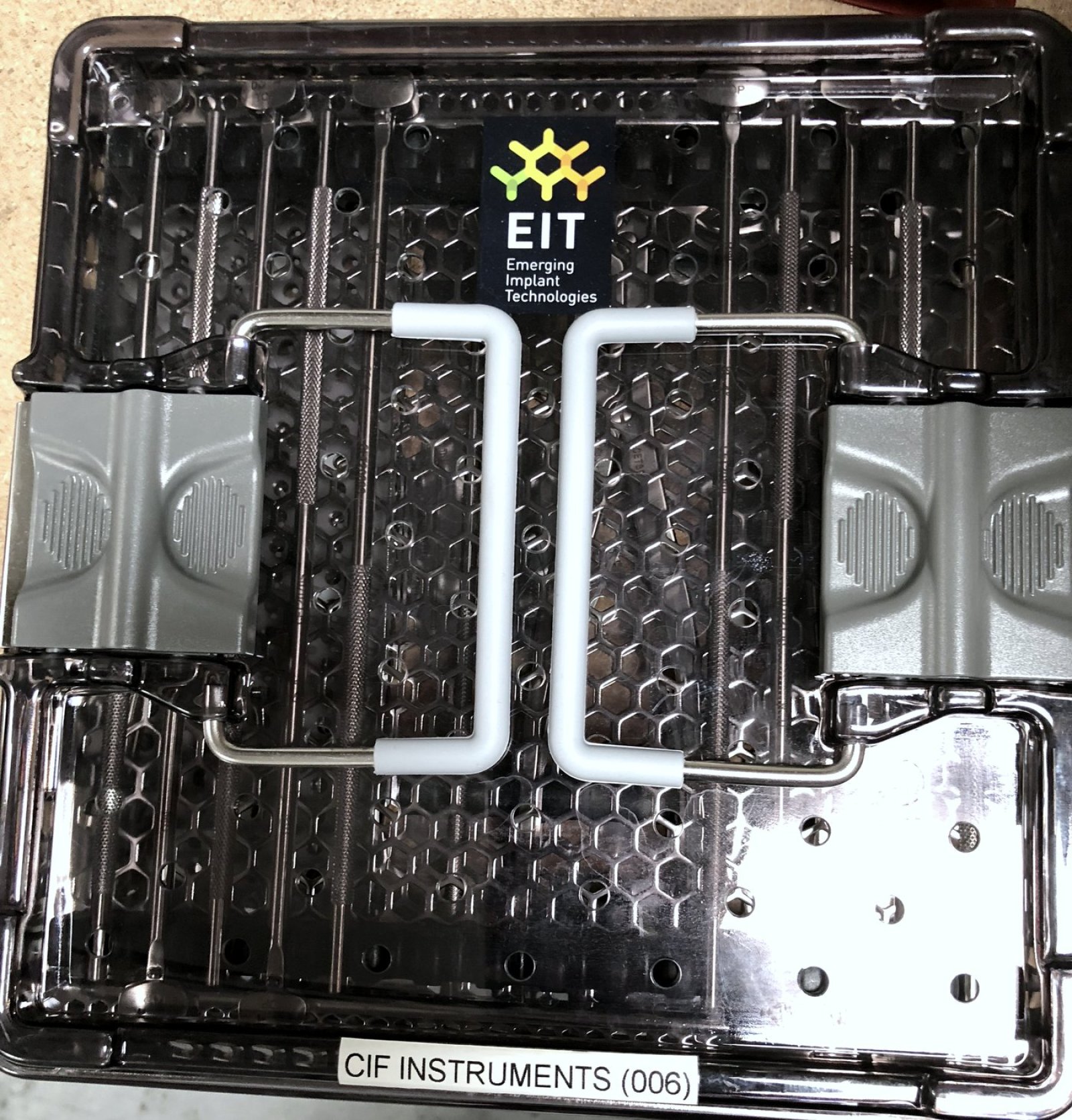
EIT cervical interbody fusion (CIF) instrument set.

Eisen: “I was very hesitant to embark on U.S. commercialization because I had seen many European companies fail in the U.S. due to the different regulatory and cultural environments, reimbursement, CPT codes and so on. Also, in the U.S., the cost of sales compared to international markets is very high, so if you want to launch countrywide you can’t start with just two sales reps. You must invest heavily in a sales organization, and that is what attracted me to the OSP model. They had the relationships and were able to get EIT in front of distributors, hospital administrators and surgeons.”

Eisen says, “With OSP’s help, we used a logistical partner to set up a subsidiary in the U.S. — but there were no direct employees because everything was outsourced. An expensive scale-up of a sales organization is hard to control and the results are not guaranteed. But Josh and I did it by racking up frequent flyer miles for a year and a half. I came to the U.S. once a month for one week and we met with surgeons in different cities every day. This is evidently not a scalable approach because it depends on our particular contributions — and you can’t delegate that.”

Sandberg: “From the beginning Guntmar said, ‘I believe in what you’re doing, but we are a start-up.’ We understood that there had to be flexibility in scope and compensation. With both companies having a limited history at the time, Guntmar and I agreed to a plan and shook hands. That was all the formality we needed.”

“People always ask me, ‘Why did this work?’” says Sandberg. “I say that from the beginning Guntmar and I trusted each other. He trusted that we were working hard even when progress seemed to slow down, and I trusted that EIT would continue to deliver what we needed. It also helped that we had run in similar circles, so each knew the other person was reputable.”

Surgeon adoption

The “Click” Heard Around the Spine Community

Eisen states, “Our strategy worked well. Beyond the superb industry relationships that Josh and his team had established, it was obvious to surgeons we approached that this was an atypical sales model — and that I was not a sales guy. Due to my history with Spine Solutions and Paradigm, I have a lot of surgeon relationships, but Josh facilitated all the appointments and controlled the messaging while I spoke about the technical side of our story. All of this created an ‘open sesame’ situation where virtually all doors opened for us.”

They were addressing the cost-of-sales issue creatively. But what about the other typical costs of a medical device company?

“I was even more hesitant to invest in building a U.S. infrastructure with warehousing, marketing and so on, because at the end of the day these are of no value to a potential buyer,” says Eisen. “The value is in the surgeon relationships and in the credibility you create with the ramp-up. I wanted to show scalability, that the market likes the product, that the clinical results are solid, and that thought leaders believe in and talk about it.”

It Just Made Sense

“The EIT story just made sense,” says Sandberg. “There was a lot of research creating doubt in the minds of spine surgeons about PEEK. And 3D printing was only being done by K2M, Stryker and 4WEB at the time. We were bringing a lattice technology at an early stage, and we sat down with surgeons and showed them the future of the product portfolio, including functional cages that were still being 3D printed with straightforward science. It just clicked for the surgeons. EIT didn’t have to manufacture the problems they were trying to solve.”

“We were going to market saying, ‘Expensive biologics are unnecessary in most cases.’ EIT had 12,000 European cases where they used only bone marrow aspirate from the patient, with a cage that had no lumen. The FDA doesn’t consider a device without a lumen a 510(k) product — it would be considered a PMA. In July 2017, EIT was granted a 510(k) for its entire 3D-printed cage portfolio with a lumen, paving the way for OSP to help start full U.S. commercialization.”

Into an American O.R.

Sandberg: “Our first U.S. case was performed on October 18, 2017, in Raleigh, North Carolina; by the end of November we had roughly 75 devices implanted in the U.S. That initial surgery validated our story and helped EIT obtain a solid foundation. People were beginning to see that we were onto something — namely, a great technology and an astute leadership team.”

“We helped EIT establish a model that worked within the hospital system and that answered the needs of the clinical buyer, the surgeon. Good patient outcomes are their primary focus, so the convincing science appealed to them. They understood the nuances involved. We also had to create a solution for the economic buyer, the hospital supply chain. Through an innovative strategy, they could see that this wasn’t just another cage.”

Hospital access

Breaking In

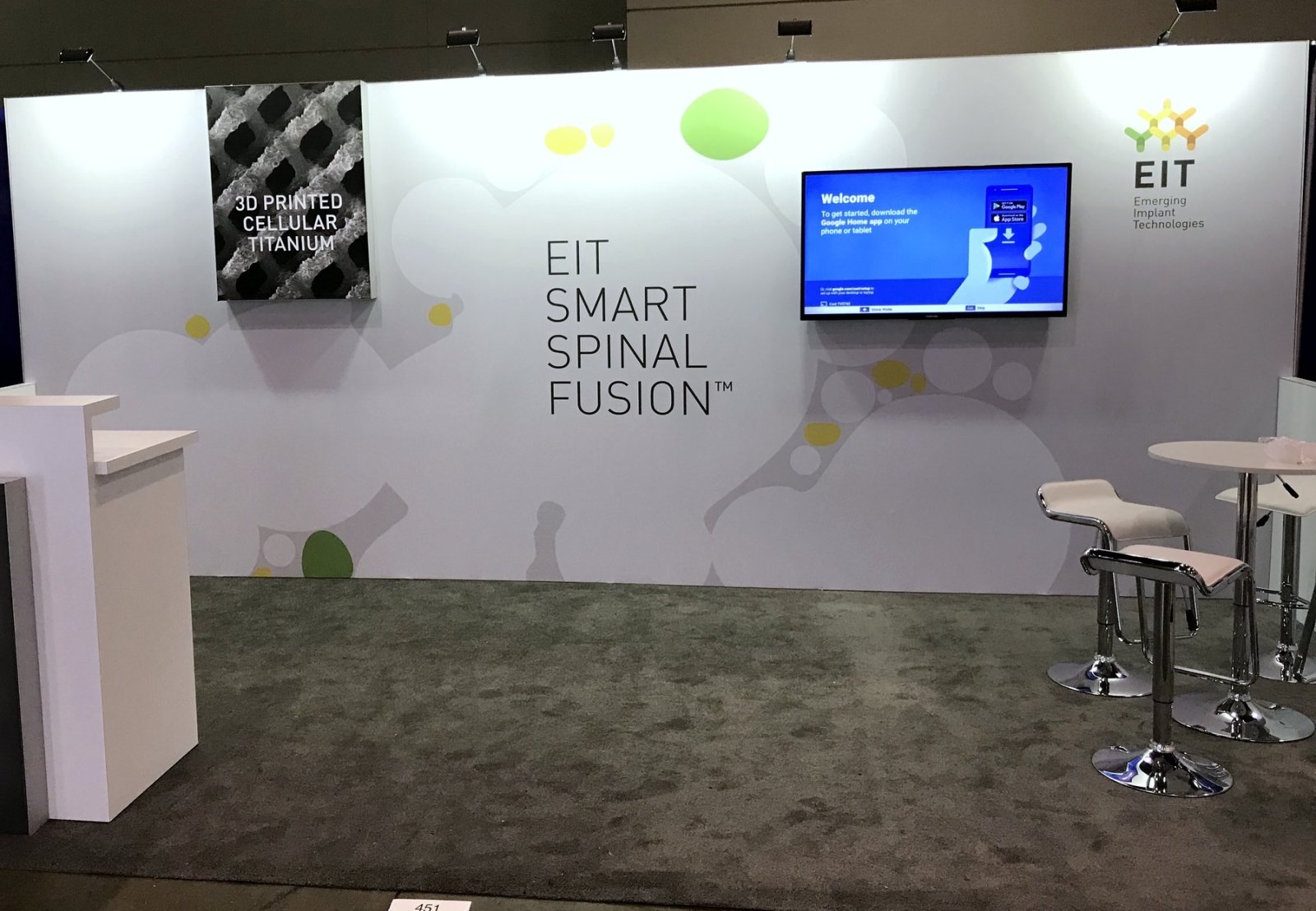
EIT on the exhibit floor: “creating noise” alongside the bigger players.

“Companies view the value analysis process as an exclusionary barrier that doesn’t need to exist,” states Sandberg. “The thinking seems to be, ‘If I just hire more salespeople and push harder, success will come.’ At the time, we were one of about 200 companies trying to bring an interbody cage to market. Big companies are able to use their size to offer better pricing via rebates: ‘If you use our product in 80% of your cases you get this price; if not, it will be this price.’ That made it challenging for a company like EIT to come in, because their implant permeating the system could cost the hospital rebates worth potentially millions. That was a major obstacle that had to be navigated.”

From the July clearance to early October 2017, the German team worked on creating inventory and navigating customs while OSP began the hospital approval process. One of these hospital integrated delivery networks was the largest for-profit healthcare system in the U.S.

“They immediately saw the value in what we were offering,” says Sandberg. “It was the ability to control osteobiologic utilization with a smaller lumen, and to illustrate proven efficacy throughout Europe through histology and case volume.”

Eisen: “Largely due to the strategic advice and clinical and economic positioning from OSP, we were able to obtain access to more facilities than we expected that first year. Hospitals were thrilled about the opportunity to control biologic utilization due to the cage design. The original OUS designs didn’t need bone graft or biologics, but the FDA requires a bone graft hole, so we made it very small. We would never have been able to get the market adoption without the talented people at OSP and their vast network of industry relationships.”

Clinical evidence

The Evidence Under the Microscope

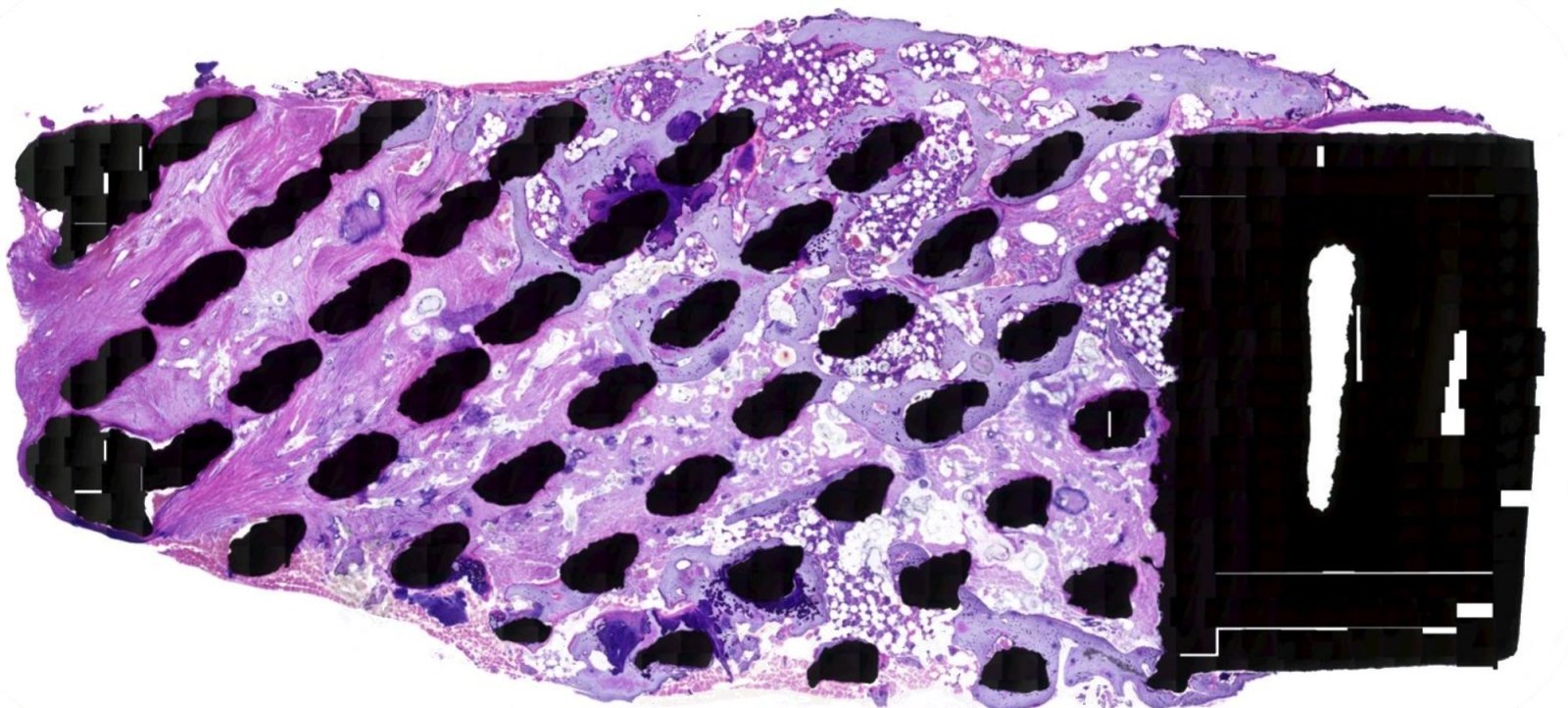
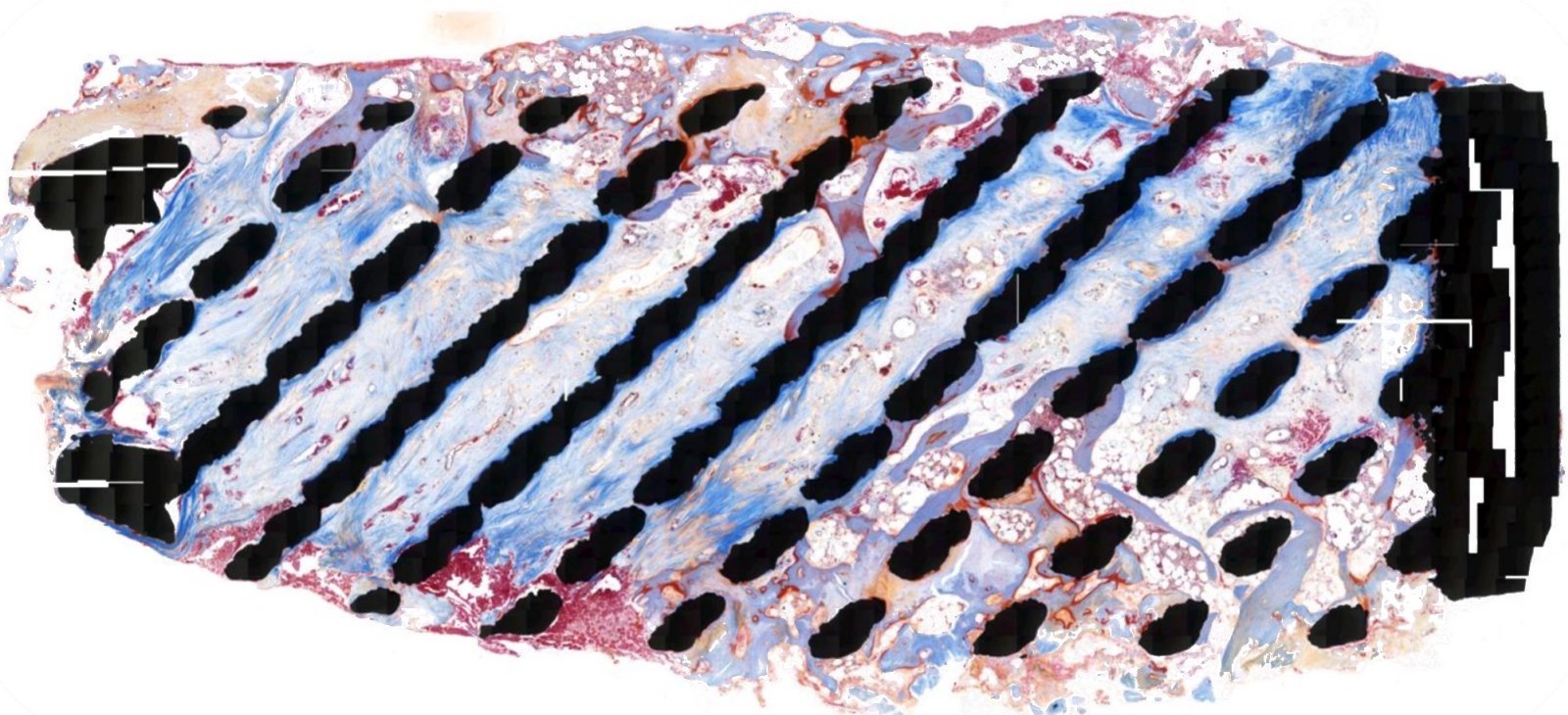
Histology from an EIT cervical (CIF) implant retrieved two years after surgery. The patient, a 70-year-old man, was re-operated for stenosis and a kyphotic segment at the level below the asymptomatic EIT-treated levels — offering a rare look inside the cellular titanium structure.

Fig. 1Hematoxylin and eosin stain. Titanium struts appear black.
Fig. 2Masson-Goldner trichrome stain of the same retrieval.

Why titanium

Everything Available Solves One Problem and Creates Another

PEEK + Tantalum

PEEK solved the imaging problem, but bone can’t interact with it, leading to inflammatory reactions. Tantalum is complicated to manufacture, with severe imaging artifacts.

3D-Printed Titanium

Cellular, porous and osteoconductive, with good imaging — at lower cost than machining.

Eisen: “It’s interesting to note that if you ask surgeons how cages might be improved, they say, ‘Oh, in my hands everything fuses.’ But then you can say, ‘What about if it’s not in your hands?’ There is ample evidence in the literature showing that nonunions, inflammatory reactions to PEEK, migration, subsidence, suboptimal alignment and imaging problems (artifacts) all exist. Everything available solves one problem and creates another. For example, PEEK solved the imaging problem, but it caused inflammatory reactions because bone can’t interact with PEEK. Tantalum is complicated to manufacture and has terrible artifacts.”

“Titanium is biocompatible, and the porosity creates osteoconductivity that stimulates the patient’s own BMP formulation. With traditional manufacturing methods it’s difficult to create a porous surface because it adds unnecessary cost — which can be significant — while only providing surface-level porosity. The beauty of 3D printing is that you are combining a cellular structure and a porous metal with good imaging, while the etching of the material creates a super-rough surface on the macro and nano levels. That in turn stimulates bone formation and bone ingrowth — and it’s all less expensive than conventional machined manufacturing.”

Making Heads Turn

Stewart adds, “The secret sauce of OSP is that each member of the team brings a specialized perspective when weighing in on the strategic design and best approach to the hospital’s clinical supply chain, the manufacturer sales rep or distributor, and the surgeon or key opinion leader. They know that the messaging needs to resonate with each stakeholder. OSP was able to choose EIT’s partners wisely, based on which surgeons and hospital systems would reflect best on EIT for the long term. They made heads turn.”

Eisen: “We attended numerous spine meetings, creating ‘noise’ and garnering attention with the bigger players. By the end of NASS 2017 there was a palpable sense that we would sell the business.”

The outcome

Acquired by Johnson & Johnson, September 2018

Less than a year after its first U.S. case, Emerging Implant Technologies GmbH was officially acquired by J&J.

“It was overwhelming, and it all went so fast,” says Eisen. “It was very hard work, but we had the right people at the right time. While there are other companies doing 3D-printed cages, none had our level of spine focus — we did nothing else. And because we had no existing product line or messaging, we could afford to be somewhat radical.”

Eisen, who stayed on as Managing Director at EIT after the acquisition, says, “I was pleased to be part of the process of transitioning to J&J, in particular on the research and development side, as well as the scale-up of manufacturing.”

Hans Eekhof adds, “J&J is completely focused on entering the U.S. market and bringing this valuable technology to as many people as possible.”

The old saying that you can’t make everybody happy all the time gets challenged with EIT and OSP. They found a way to meet everyone’s needs — especially those of the patients.

What made it work

  • Science for the clinical buyer

    12,000 European cases and histology gave surgeons evidence, not marketing.

  • Economics for the hospital

    A small-lumen design let supply chain leaders control biologic utilization.

  • Relationships over infrastructure

    An outsourced U.S. subsidiary and direct surgeon access instead of a costly sales build-out.

  • A partnership built on trust

    Flexible scope and compensation, agreed on a handshake.

Work with us

Bring Your Breakthrough to the U.S. Market

Medtech Incubator and OSP Advisors help medtech companies launch faster, operate smarter and compete effectively — from regulatory clearance to surgeon and hospital adoption.

  • U.S. market-entry strategy and lean company setup
  • Clinical and economic value positioning
  • Hospital value analysis and supply chain access
  • Surgeon and key opinion leader relationships

In partnership with OSP Advisors

Case study by Elizabeth Hofheinz, M.Ed., M.P.H. Quotes reflect participants’ perspectives at the time of the engagement. Johnson & Johnson and product names are trademarks of their respective owners.